
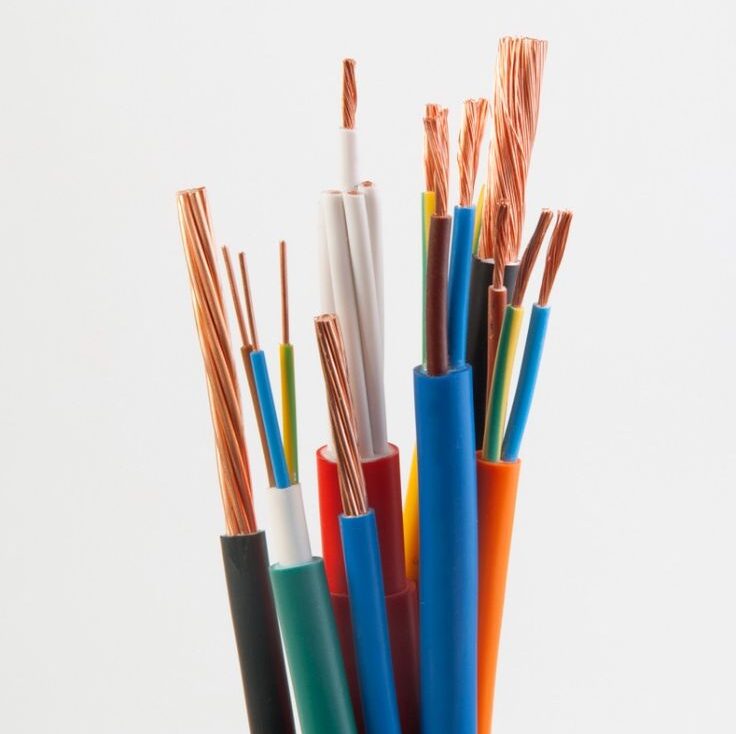
Types of Electrical Cables and Their Uses
Electrical cables play an important role in power transmission, electrical safety, and efficient energy distribution. Different types of electrical cables are designed for specific residential, commercial, and industrial applications. Choosing the right electrical wire or cable improves durability, performance, and long-term safety.
Understanding the various types of cables and their uses helps homeowners, electricians, contractors, and industries select the best cable for their requirements.
1. Single Core Cables
Single core cables contain one conductor with insulation and are commonly used for house wiring and power distribution.
Common Uses
- Residential wiring
- Electrical panels
- Industrial installations
- Underground electrical systems
Benefits
- Better conductivity
- Lower power loss
- High durability
2. Multi Core Cables
Multi core cables contain multiple insulated conductors within a single outer sheath. These cables are highly flexible and suitable for compact electrical systems.
Common Uses
- Industrial machinery
- Control panels
- Home appliances
- Robotics and automation systems
Benefits
- Easy cable management
- Flexible installation
- Suitable for moving equipment
3. Armoured Cables
Armoured cables include a protective metal layer that improves mechanical strength and protects against external damage.
Common Uses
- Underground power transmission
- Industrial power supply
- Outdoor electrical installations
Benefits
- High protection
- Better durability
- Suitable for harsh environments
4. Unarmoured Cables
Unarmoured cables are lightweight electrical cables generally used in indoor installations where additional mechanical protection is not required.
Common Uses
- Indoor wiring
- Residential buildings
- Commercial spaces
Benefits
- Cost-effective
- Easy installation
- Flexible applications
5. Flexible Cables
Flexible electrical cables are designed for applications requiring frequent movement and bending.
Common Uses
- Home appliances
- Extension cords
- Portable electrical equipment
Benefits
- High flexibility
- Better handling
- Long-lasting performance
6. Coaxial and Communication Cables
These cables are used for communication, internet, CCTV, and data transmission systems.
Common Uses
- Internet connections
- Television systems
- CCTV installations
- Networking systems
Benefits
- Stable signal transmission
- Reduced interference
- High communication efficiency
Conclusion
Different types of electrical cables are designed for different applications and environments. From house wiring and industrial power supply to communication systems and underground installations, selecting the right wire and cable improves electrical safety, efficiency, and durability.
Using high-quality electrical cables with proper certification ensures reliable performance and long-term protection for residential, commercial, and industrial electrical systems.
 Download Brochure