
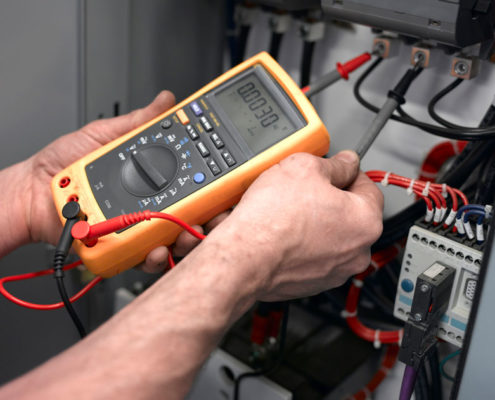
Cable testing plays an important role in maintaining electrical safety, efficiency, and long-term performance in residential, commercial, and industrial electrical systems. High-quality electrical wires and cables must go through multiple quality tests to ensure they can safely handle voltage, heat, and environmental conditions. Proper cable testing helps prevent electrical failures, improves durability, and ensures reliable power distribution.
As the demand for modern electrical infrastructure increases, using tested and certified electrical cables has become essential for safe electrical installations.
Why Cable Testing Is Important
Electrical cable testing helps manufacturers verify:
- Safety standards
- Electrical conductivity
- Heat resistance
- Insulation quality
- Current carrying capacity
- Durability and performance
Testing ensures that electrical wires can operate safely under different working conditions without causing electrical hazards.
Common Types of Cable Testing
Insulation Resistance Testing: This test checks the strength and quality of cable insulation. Good insulation helps prevent electrical leakage and short circuits.
Heat Resistance Testing: Electrical cables are tested under high temperatures to ensure they can withstand heat without damage.
Conductivity Testing: Conductivity testing measures how efficiently electricity flows through the conductor. High-conductivity copper wires improve electrical performance and reduce power loss.
Voltage Testing: Voltage testing ensures that electrical cables can safely handle the required voltage levels without failure.
Fire Resistance Testing: Fire-resistant cables are tested to ensure better safety during electrical emergencies and fire situations.
Benefits of Cable Testing
Improved Electrical Safety: Quality-tested electrical wires reduce the risk of electrical short circuits, overheating, and fire hazards.
Better Performance: Tested cables provide stable power distribution and improved energy efficiency.
Longer Cable Life: Proper testing ensures that wires and cables remain durable under different environmental and electrical conditions.
Compliance With Safety Standards: Cable testing helps electrical cables meet ISI and BIS certification standards for safe usage.
Importance of Choosing Tested Electrical Cables
Using certified and quality-tested electrical cables improves:
- Electrical reliability
- Energy efficiency
- Safety in homes and industries
- Long-term performance
Modern electrical systems require durable and high-performance cables that can support increasing power demands safely and efficiently.
Conclusion
Cable testing is essential for ensuring the safety, durability, and performance of electrical wires and cables. From insulation testing to fire resistance testing, every quality check helps improve electrical safety and system reliability. Choosing tested and certified electrical cables is an important step toward safer and more efficient electrical installations.
 Download Brochure