
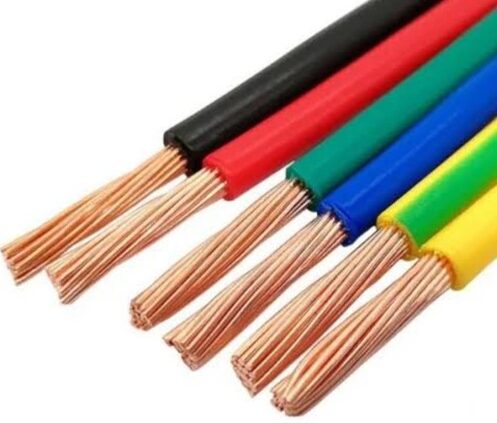
Electrical wiring plays a major role in maintaining safety, efficiency, and uninterrupted power supply in homes, offices, and industrial buildings. Over time, old electrical wires can lose their performance and may increase the risk of electrical failures. Identifying the signs of old wiring early helps improve electrical safety and prevents future damage.
Why Replacing Old Electrical Wires Is Important
Modern electrical systems require high-quality wires and cables that can handle increasing power demand efficiently. Replacing outdated wiring improves:
- Electrical safety
- Energy efficiency
- Power distribution
- Appliance performance
- Long-term durability
Using premium electrical cables also helps reduce maintenance issues and improves overall reliability.
Common Signs That Your Wires Need Replacement
- Frequent Power Fluctuations: If lights flicker or appliances do not receive stable power, old electrical wiring may not be handling the electrical load properly.
- Heating of Wires or Switches: Modern electrical cables are designed for better heat resistance. Excessive heating near switches or wires may indicate outdated or overloaded wiring.
- Reduced Electrical Efficiency: Old house wiring may lead to power loss and lower efficiency. Upgrading to high-quality copper wires improves conductivity and performance.
- Damaged or Worn-Out Insulation: Electrical cables with cracked or damaged insulation should be replaced to maintain safe electrical installations.
- Increased Power Requirements: Older wiring systems may not support modern appliances, air conditioners, or industrial equipment efficiently. Replacing them with durable electrical cables improves safety and performance.
Benefits of Replacing Old Electrical Wiring
- Improved Safety: New electrical wires reduce the chances of electrical short circuits and overheating.
- Better Energy Efficiency: Modern wires and cables minimize power loss and improve electrical performance.
- Higher Durability: High-quality electrical cables are designed for long-lasting use and better resistance to heat and environmental conditions.
- Better Support for Modern Appliances: Upgraded wiring systems can safely handle increased electrical loads.
Best Types of Wires for Modern Electrical Systems
The best electrical wires for homes and industries should offer:
- High conductivity
- Fire resistance
- Heat resistance
- Long-lasting insulation
- ISI and BIS certification
Copper electrical wires are widely preferred because of their durability and excellent electrical performance.
Conclusion
Recognizing the signs of old electrical wiring helps maintain safety, efficiency, and reliability in any electrical system. Replacing outdated wires with high-quality electrical cables improves performance, supports modern electrical needs, and ensures long-term protection for homes and industries.
 Download Brochure