
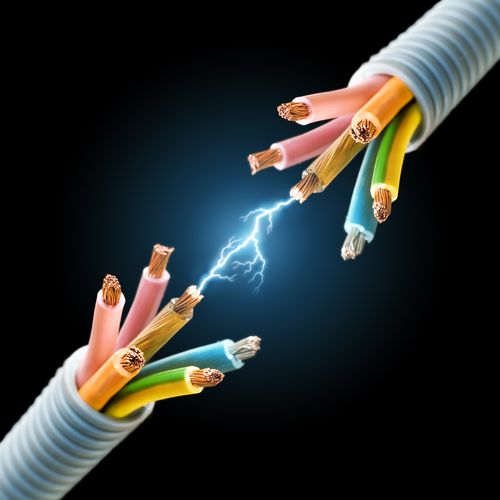
Electrical cables are an essential part of every residential, commercial, and industrial electrical system. Choosing the right electrical wire and understanding electrical cable color codes helps improve safety, efficiency, and proper power distribution. Whether for house wiring, industrial installations, or electrical maintenance, knowing the basics of wire color coding is extremely important.
What Are Electrical Cables?
Electrical cables are used to transmit electrical power from one point to another. They are available in different sizes, materials, and insulation types depending on the application.
Modern electrical wires and cables are designed to provide:
- Better conductivity
- Heat resistance
- Fire safety
- Long-lasting durability
- Efficient power transmission
Copper electrical wires are commonly preferred because of their high conductivity and reliability.
Common Types of Electrical Cables
Single Core Cable
Single core cables contain one conductor and are mainly used for house wiring and fixed electrical installations.
Multi Core Cable
Multi core cables contain multiple insulated conductors and are widely used in industrial machinery, control systems, and flexible electrical applications.
Flexible Cables
Flexible electrical cables are commonly used in appliances, extension cords, and moving equipment.
FR and FRLS Cables
FR (Fire Resistant) and FRLS (Fire Resistant Low Smoke) cables improve electrical safety and are widely used in modern buildings.
Understanding Electrical Cable Color Codes
Electrical wire color codes help electricians identify the purpose of each wire during installation and maintenance.
Common Electrical Wire Colors
| Wire Color | Purpose |
| Red | Live or Phase Wire |
| Black | Neutral Wire |
| Green | Earth or Ground Wire |
| Yellow/Blue | Secondary Phase or Additional Connections |
Using the correct electrical cable color code improves wiring safety and reduces the risk of electrical faults.
Importance of Electrical Cable Color Codes
Improved Safety: Proper wire color coding helps prevent electrical accidents and incorrect connections.
Easy Maintenance: Electricians can quickly identify wires during repairs and installations.
Better Electrical Organization: Color-coded electrical cables make wiring systems more organized and efficient.
Tips for Choosing the Right Electrical Cable:
Before purchasing electrical wires and cables, consider:
- Current carrying capacity
- Heat resistance
- Fire safety standards
- Flexibility
- ISI and BIS certification
High-quality electrical cables improve safety, reduce power loss, and ensure long-term performance.
Conclusion
Understanding electrical cables and color codes is important for safe and efficient electrical installations. Choosing the right electrical wire and following proper cable color coding helps improve durability, electrical safety, and overall system performance in homes and industries.
 Download Brochure